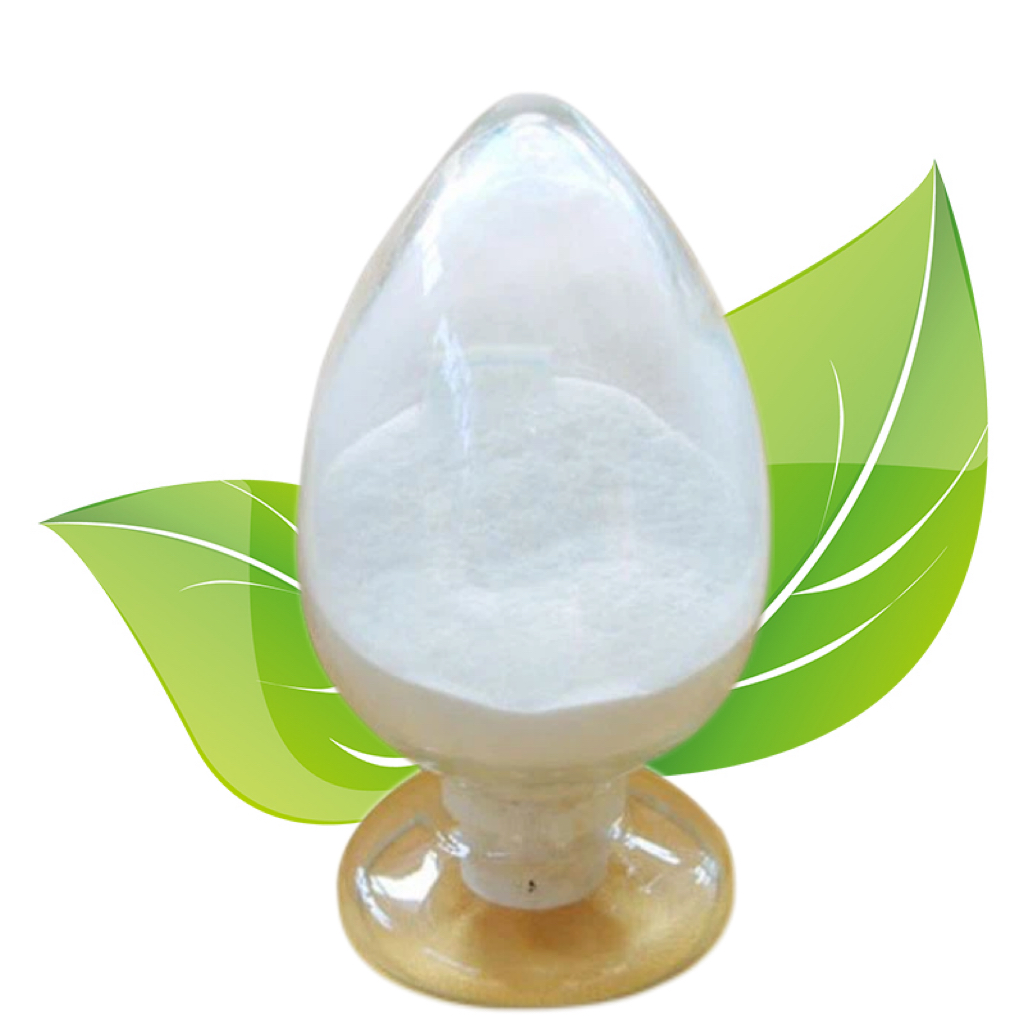
U handle supplement development every day, and U know customers often worry when they see unfamiliar ingredient names on a label. Microcrystalline cellulose, commonly called MCC, is one of the most misunderstood. Some consumers think it is synthetic. Others think it is harmful because it sounds “chemical.” These misunderstandings can slow production decisions and create unnecessary doubts during procurement.
Your goal is to deliver safe, stable, and compliant formulas that pass regulatory checks and satisfy brand expectations. MCC helps U achieve that because it is plant-based, well-researched, and widely used across supplements and pharmaceuticals. When U understand what MCC does and how it behaves in the body, it becomes clear why global agencies approve it and why manufacturers continue relying on it.
Microcrystalline cellulose is safe to ingest, and global regulators classify it as non-toxic, non-allergenic, and chemically stable. The FDA, EFSA, and JECFA recognize MCC as safe for both short-term and long-term intake. It comes from purified plant cellulose and passes through the digestive system as dietary fiber without entering the bloodstream. This makes MCC one of the safest excipients for tablets, capsules, and functional foods. It supports flowability, hardness, and stability without affecting active ingredients.
Now U know the safety basics, so let us move into the details and understand why MCC remains essential in modern supplement and pharmaceutical manufacturing.
1. What Is Microcrystalline Cellulose (MCC)?
Microcrystalline cellulose is a purified, plant-based ingredient produced from natural cellulose. U see it in almost every solid-dose supplement because it supports tablet strength, improves flow, and stabilizes active ingredients. MCC also gives a smooth and uniform texture, so it helps machines run smoothly and reduces production loss. The supplement industry uses MCC as a filler, binder, and flow aid because it offers consistency in large-scale production. When U work with high-speed tablet presses or capsule filling lines, U notice how MCC improves efficiency and reduces defects. Its performance is predictable, which allows U to maintain batch uniformity and avoid costly downtime.
MCC is a plant-derived excipient used as a binder, filler, and flow aid in supplements and pharmaceuticals.
MCC comes from controlled partial hydrolysis of alpha-cellulose. This process removes lignin and other impurities, leaving clean crystalline cellulose particles. These particles have strong internal bonding, so they compress well under pressure. This is why MCC is known for excellent tablet hardness and low friability.
Main Functions of MCC
| Function | How It Helps Manufacturers |
|---|---|
| Binder | Gives tablets strength and prevents breakage |
| Filler | Creates consistent tablet weight |
| Flow Aid | Improves movement on high-speed machines |
| Disintegrant | Helps tablets break down in the stomach |
MCC is important in nutraceuticals, pharmaceuticals, and food applications because it supports structural integrity without interacting with active ingredients. Its neutral chemical nature makes it suitable for vitamins, herbal extracts, minerals, probiotics, and more.
- MCC is made from purified plant cellulose.
- MCC supports uniform and stable formulation performance.
2. Why Is MCC Considered Safe to Ingest?
Safety is always a priority when U evaluate raw materials. MCC has been studied for decades and reviewed by major regulatory authorities. These organizations agree that MCC is safe for ingestion at the levels used in supplements and food products. MCC does not react with active ingredients, does not release harmful substances, and does not enter the bloodstream. This stable profile is why MCC is approved in global markets.
MCC is GRAS-certified and globally accepted as a safe excipient for supplements and pharmaceuticals.
The United States FDA classifies MCC as GRAS (Generally Recognized As Safe). In the European Union, MCC has the food additive code E460 and is approved by EFSA. JECFA also confirms its safety based on toxicology data. The ingredient has a long history in oral dosage forms, including prescription drugs, which reflects a high safety margin.
MCC remains stable in heat, moisture, and pH variations. This stability ensures that it does not degrade into harmful compounds. MCC is also non-allergenic and suitable for sensitive populations.
Regulatory Status Overview
| Region | Approval | Notes |
|---|---|---|
| USA | GRAS | Used widely in pharmaceuticals |
| EU | E460 | Safe in food and supplements |
| China | Approved | Common in tablets and capsules |
| Japan | Approved | Used in functional foods |
- MCC meets global safety certifications.
- MCC supports clean-label formulation practices.
3. How Does the Body Process Microcrystalline Cellulose?
Consumers often ask how MCC behaves inside the body. They want reassurance that it does not accumulate or cause harm. MCC is an insoluble fiber, which means the body does not digest it. It travels through the digestive system unchanged and is eliminated naturally.
The body does not absorb or metabolize MCC; it passes through as dietary fiber.
MCC behaves like many natural fibers found in plant-based foods. The stomach and intestines do not break it down. This means MCC has no caloric value and does not affect cholesterol, blood sugar, or nutrient absorption.
How the Body Handles MCC
| Step | What Happens |
|---|---|
| Ingestion | MCC mixes with food |
| Digestion | No breakdown occurs |
| Absorption | No absorption into bloodstream |
| Excretion | Eliminated as fiber |
Some individuals may experience mild digestive effects if they consume large amounts of fiber. However, MCC usage levels in supplements and foods are far below the threshold where side effects occur.
- MCC contributes small amounts of beneficial fiber.
- MCC does not interfere with nutrient absorption.
4. Why Do Manufacturers Use MCC in Supplements and Foods?
Supplement and food manufacturers prefer MCC because it provides stable performance and helps maintain product quality. U rely on ingredients that ensure predictable results in each batch, and MCC offers that consistency.
Manufacturers use MCC because it improves flowability, compressibility, and stability in large-scale production.
MCC reduces manufacturing issues such as sticking, capping, and weight variations. Its particle size and moisture control help high-speed equipment run smoothly.
Key Advantages
| Benefit | Why It Matters |
|---|---|
| Good compressibility | Strong tablets with fewer defects |
| Stable density | Accurate dosing |
| Neutral taste | Does not affect flavor |
| Chemical stability | Safe with multiple active ingredients |
MCC is also common in food products like baked goods, beverages, and meal replacements because it improves mouthfeel and adds fiber.
- MCC supports efficient high-speed manufacturing.
- MCC enhances product stability and uniformity.
5. Are There Any Side Effects of Microcrystalline Cellulose?
Manufacturers want to make sure ingredients do not cause customer complaints. MCC has an excellent tolerance profile. Normal usage levels do not cause side effects in healthy individuals.
MCC rarely causes side effects, and when it does, they are usually mild and related to fiber intake.
High amounts of insoluble fiber may cause gas or bloating. However, the levels of MCC used in tablets and capsules are small and do not reach amounts associated with discomfort.
Possible Effects (Rare)
| Effect | Reason |
|---|---|
| Bloating | High fiber |
| Fullness | Fiber absorption of water |
| Soft stool | Increased fiber intake |
These effects occur mainly when MCC is consumed in large food quantities, not supplement levels.
- MCC has one of the lowest side effect risks among excipients.
- MCC is safe for daily long-term consumption.
6. How Can U Choose High-Quality MCC for Your Formulations?
Choosing the right MCC ensures stable production and high-quality finished products. U want consistent particle size, low moisture, and reliable flow properties. Good MCC leads to good manufacturing efficiency.
Choose MCC from GMP-certified suppliers with consistent particle control and full documentation.
When selecting MCC, verify the specification sheet and test reports. Check for flow properties, density, and microbial safety. Documentation helps during export and regulatory compliance.
What to Look For
| Quality Factor | Why It Matters |
|---|---|
| Particle size | Affects flow and compressibility |
| Moisture | Prevents clumping |
| Density | Ensures uniform weight |
| Microbial limits | Ensures safety |
| Supplier certifications | Confirms reliability |
Work with suppliers that offer stable quality and technical support. This ensures U maintain production efficiency and meet global market expectations.
- High-quality MCC ensures consistent batch performance.
- Reliable suppliers reduce production risks.
Conclusion
Microcrystalline cellulose is safe, stable, and widely approved for ingestion. It has a long record of use in pharmaceuticals, supplements, and food products. MCC is plant-based, non-toxic, non-allergenic, and does not enter the bloodstream. It behaves like dietary fiber and supports healthy digestion.
For manufacturers, MCC delivers efficiency, consistency, and stability. It improves flowability, compressibility, and tablet hardness, making it an essential excipient for large-scale production. When U choose high-quality MCC from reliable suppliers, U achieve better product stability and fewer production issues. MCC remains one of the most trusted and versatile ingredients in modern formulation.
- MCC is safe for ingestion.
- MCC is plant-based and functions like dietary fiber.
- MCC is approved by global regulators.
- MCC supports efficient supplement manufacturing.
- MCC rarely causes side effects.
- Choosing high-quality MCC improves product performance.
If U want stable-quality MCC for supplement manufacturing, our factory supports U with premium-grade microcrystalline cellulose produced under strict GMP standards. U get reliable particle consistency, clean-label documentation, and professional export support. U also receive full OEM and private-label services to help your brand grow faster with safe, compliant, and efficient formulations.