Many people check ingredient labels. They see microcrystalline cellulose. The name sounds chemical and unfamiliar. Some even feel worried. Is it safe? Is it natural? What does it actually do inside the body?This confusion is common. Food additives and pharmaceutical excipients often look complex. However, not all of them are harmful. In fact, some play a useful role in digestion and product stability.
If you ignore this ingredient, you may miss an important fact. Microcrystalline cellulose is widely used in food, supplements, and medicine. It is not added randomly. It has clear functions and benefits.So what really happens when it enters your body? Does it help digestion? Does it affect blood sugar? Or is it just a filler?Let’s break it down in a simple and clear way.
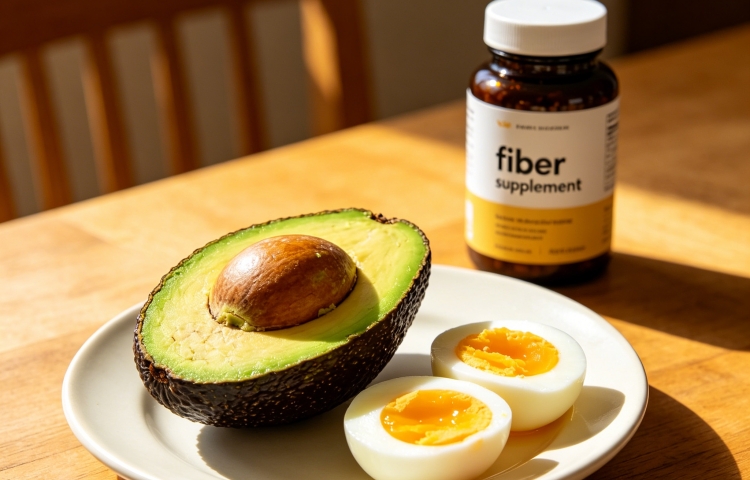
Microcrystalline cellulose is a purified, plant-based dietary fiber. It does not dissolve in water and is not digested by the human body. Instead, it passes through the digestive system and helps support gut health. It can improve bowel movement by adding bulk to stool. This makes it useful for people who need better digestion.
In food and supplements, microcrystalline cellulose works as a stabilizer, anti-caking agent, and texture enhancer. It helps tablets keep their shape and ensures even ingredient distribution. In the body, it does not provide calories, sugar, or nutrients. However, it can help control calorie intake by adding volume without energy.
Because it is inert and non-toxic, it is considered safe by global regulatory authorities. It does not affect blood sugar levels and is suitable for low-carb and diabetic-friendly products.
Now you know the basic answer. But this is only the surface. Many people still ask deeper questions. How does it help digestion? Why do manufacturers use it so widely? And is there any difference between food-grade and pharmaceutical-grade material?
What Is Microcrystalline Cellulose and Where Does It Come From?
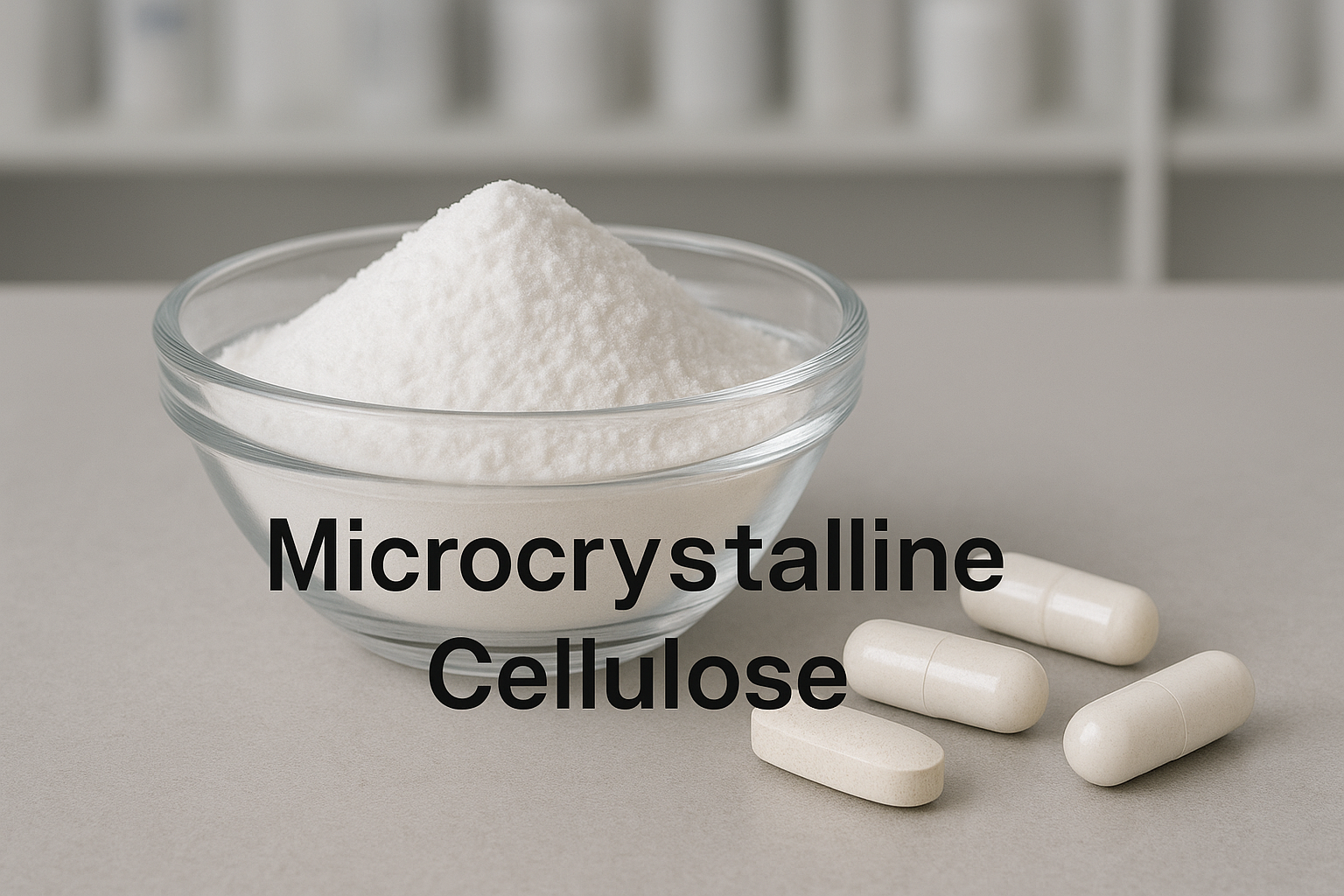
Microcrystalline cellulose comes from natural plant fibers. It is usually derived from wood pulp or cotton. The raw cellulose goes through controlled processing. This process removes impurities and breaks the fiber into smaller particles.The final product is a fine, white powder. It has no taste and no smell. It does not dissolve in water. This makes it very stable in different applications.
Unlike synthetic additives, this ingredient is plant-based. It belongs to the same category as dietary fiber. However, its structure is more refined and consistent.
Microcrystalline cellulose is a purified form of plant fiber. It is made by breaking down natural cellulose into small particles. It is not digested by the body and acts as an insoluble dietary fiber.
How It Is Produced?
| Step | Description |
|---|---|
| Raw Material | Wood pulp |
| Hydrolysis | Acid treatment breaks down fibers |
| Purification | Removes unwanted substances |
| Drying | Forms stable powder |
Key Properties
- Insoluble in water
- Neutral taste
- High stability
- Non-reactive
✔ Plant-based and safe raw material
✔ Stable structure for food and pharma use
Is Microcrystalline Cellulose Safe for the Human Body?
Safety is the first concern for any ingredient. Many people worry about additives. This is especially true when the name sounds technical.However, microcrystalline cellulose has been studied for decades. Regulatory bodies have reviewed its safety.However, microcrystalline cellulose has been studied for decades. Regulatory bodies have reviewed its safety.
Microcrystalline cellulose is considered safe for human consumption. It is approved by global authorities and is widely used in food and pharmaceutical products.
| Authority | Status |
|---|---|
| FDA | GRAS approved |
| EFSA | Safe for use |
| WHO | No safety concern |
Why It Is Safe
- Not absorbed by the body
- No chemical reaction inside the body
- No toxicity
✔ Approved globally
✔ No metabolic impact
How Does Microcrystalline Cellulose Affect Digestion?
Digestion is one of its main roles. Even though it is not digested, it still affects how the gut works.
Microcrystalline cellulose supports digestion by acting as a bulking agent. It helps move waste through the intestines and improves bowel regularity.
| Function | Effect |
|---|---|
| Bulk formation | Improves stool consistency |
| Transit support | Helps bowel movement |
| No fermentation | No gas production |
Does Microcrystalline Cellulose Impact Blood Sugar Levels?
Blood sugar control is very important today. Many consumers look for low-GI ingredients.Microcrystalline cellulose does not affect blood sugar levels. It contains no carbohydrates that can be absorbed by the body.
Blood Sugar Impact
| Factor | Result |
|---|---|
| Glycemic Index | 0 |
| Calories | 0 |
| Sugar Content | 0 |
Why Is Microcrystalline Cellulose Used in Supplements and Tablets?
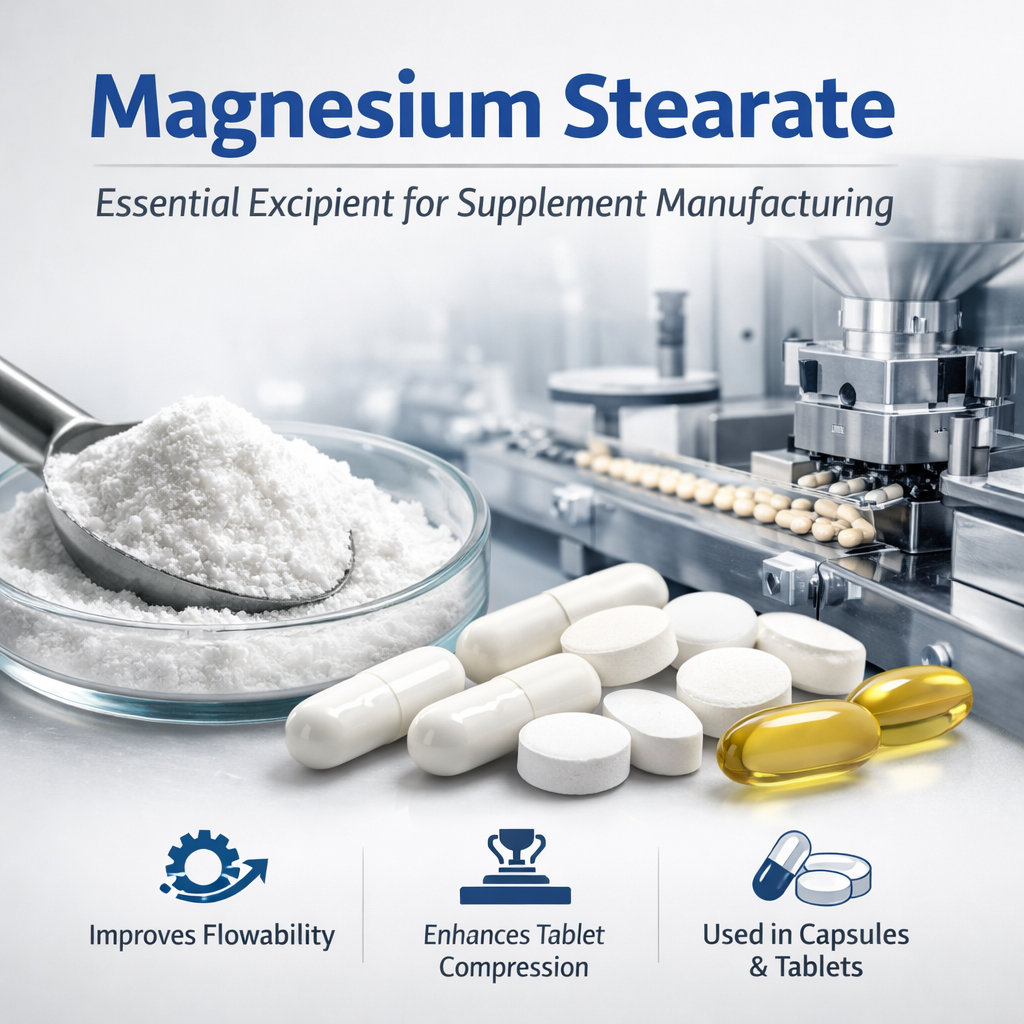
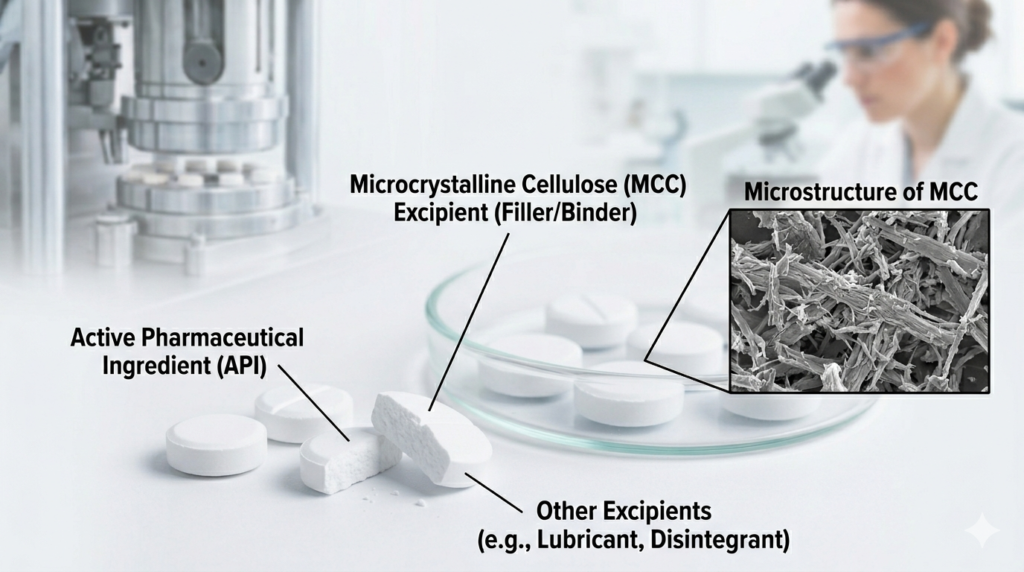
Its role is not only in the body. It is also important in manufacturing.Microcrystalline cellulose is widely used in tablets because it improves compression, stability, and uniformity.
| Function | Benefit |
|---|---|
| Binder | Holds tablet together |
| Filler | Adds volume |
| Disintegrant | Helps tablet break down |
What Are the Pharmaceutical Uses of MCC?
MCC is widely used in the pharmaceutical industry to manufacture tablets and capsules, thanks to its excellent binding properties and flowability. As an excipient, MCC helps in the uniform distribution of active ingredients, ensuring that each dose contains the correct amount of medicine. It is particularly valuable in high-speed tablet pressing, where consistent quality and performance are required.
MCC’s versatility in pharmaceutical applications doesn’t end with tablet pressing. It also plays a significant role in controlled-release formulations. By absorbing moisture, MCC helps regulate the rate at which active ingredients are released in the body, contributing to more effective treatment outcomes. Its ability to form strong inter-particle bonds under compression makes it ideal for direct compression tablet manufacturing, reducing the need for additional excipients.
Conclusion
Microcrystalline cellulose is a simple but important ingredient. It comes from natural plant fiber. It does not provide nutrients, but it supports digestion. It helps maintain stable blood sugar levels. It is also essential in food and pharmaceutical production.
Its safety is well established. It is widely accepted around the world. For manufacturers, it improves product quality. For consumers, it supports gut health without adding calories.
At Besty Pharma, we specialize in high-quality microcrystalline cellulose for both pharmaceutical and food applications. Our products are manufactured under strict GMP standards and supported by ISO, FSSC, Kosher, and Halal certifications. With strong R&D capability and flexible production, we support customized solutions for global partners.