

Pharmaceutical production faces many challenges. One of the biggest is creating effective, stable, and easy-to-use formulations. Manufacturers need ingredients that not only work efficiently but are also safe and cost-effective.
One such ingredient is Microcrystalline Cellulose (MCC). While many people may not have heard of it, MCC is a crucial part of many pharmaceutical products. Its role is often understated, yet it is used extensively in tablets, capsules, and powders. MCC works as a binder, a disintegrant, and a stabilizer, contributing to the quality and effectiveness of the final product.
The problem lies in choosing the right excipients to meet specific requirements like dissolution rate, tablet hardness, and consistency. MCC can solve this problem due to its versatile properties. Whether you’re working on a new formulation or optimizing an existing one, understanding the benefits and uses of MCC can help you make more informed decisions in your pharmaceutical processes.
Microcrystalline Cellulose (MCC) is a purified form of cellulose that is used widely in the pharmaceutical industry as an excipient. Its primary function is as a binder, but it also serves as a disintegrant and a filler in tablet formulations. MCC enhances the compressibility of the tablet, allowing it to hold together without being too hard or too soft. It also plays a crucial role in the disintegration process, allowing tablets to break apart at the right moment after ingestion, enabling the active ingredients to be released effectively.
MCC has excellent stability and is compatible with a wide range of drugs, making it a go-to excipient for pharmaceutical manufacturers. It’s ideal for both direct compression and wet granulation processes, making it a versatile choice for various types of tablet formulations. Due to its low cost, high functionality, and efficiency, MCC continues to be a vital ingredient in many drug delivery systems.
Now that we’ve looked at the broad benefits of MCC, let’s dive deeper into how it works in pharmaceutical formulations. The versatility of MCC in the production of different dosage forms makes it essential to understand its full range of applications and potential benefits in the manufacturing process. Let’s take a closer look at how MCC is used in pharma products.
What is Microcrystalline Cellulose (MCC)?
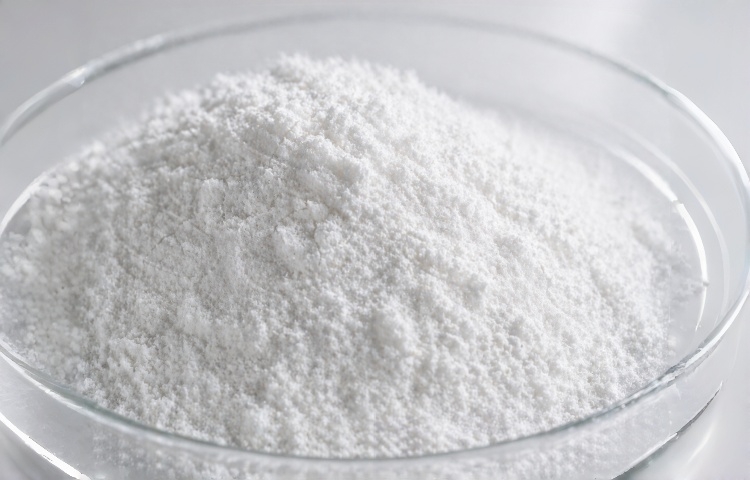
Microcrystalline Cellulose (MCC) is a naturally occurring polymer, derived from plant fibers, primarily wood or cotton. It’s a white, odorless powder that is widely used in pharmaceutical formulations. The unique aspect of MCC is its structure, where cellulose fibers are broken down into tiny, crystalline particles that make it highly functional in a variety of applications.
MCC’s key advantage in pharmaceutical applications is its ability to improve tablet characteristics, including hardness, dissolution, and uniformity. Its physical properties allow it to act as a filler or binder, making it essential in the creation of tablets and capsules. While MCC itself is not an active pharmaceutical ingredient (API), it plays a crucial supporting role in the overall formulation process.
Microcrystalline Cellulose (MCC) is a purified form of cellulose that acts as a filler, binder, and disintegrant in pharmaceutical products, making it crucial in tablet formulations.
MCC Applications
| Function | Role in Pharma |
|---|---|
| Binder | Helps tablets hold together |
| Disintegrant | Assists in breaking apart tablets after ingestion |
| Filler | Adds bulk to formulations for tablets |
| Stabilizer | Helps prevent degradation of active ingredients |
MCC is essential because it enhances formulation properties such as flowability, compactability, and dissolution. These features help pharmaceutical companies create high-quality products that are both effective and stable.
✔ MCC ensures tablet stability
✔ It supports uniformity and enhances patient compliance
How Does Microcrystalline Cellulose Function as an Excipient in Pharma?
In the pharmaceutical industry, an excipient is any ingredient that does not have therapeutic effects but is necessary for the formulation and delivery of the drug. MCC serves several important functions as an excipient in tablets and capsules.
One of its main roles is as a binder, helping hold the tablet together without making it too brittle. It also acts as a disintegrant, ensuring that the tablet breaks down and releases the active ingredients at the right time in the digestive system. These properties make MCC a key player in drug delivery systems.
As an excipient, MCC acts as a binder, disintegrant, and filler, contributing to the stability, effectiveness, and overall quality of pharmaceutical tablets and capsules.
Key Roles of MCC
| Role | Explanation |
|---|---|
| Binder | MCC helps create a compact tablet with the desired hardness |
| Disintegrant | Ensures tablets break down properly for effective drug release |
| Filler | Adds bulk and improves the manufacturing process |
MCC is particularly useful in the wet granulation process, where it helps bind the powder together and assists in the overall structure of the tablet.
Why is Microcrystalline Cellulose the Preferred Choice for Tablet Formulations?
MCC stands out as a preferred excipient in the pharmaceutical industry for several reasons. First, it is cost-effective compared to many other excipients. Second, it has excellent compatibility with a variety of active ingredients, which makes it a versatile option for many different formulations. Lastly, its regulatory approval status ensures that it is safe to use in both pharmaceutical and nutraceutical products.
MCC is the preferred choice for tablet formulations due to its versatility, cost-effectiveness, and regulatory acceptance.
Why MCC is Preferred
| Advantage | |
|---|---|
| Versatility | Works with many active ingredients |
| Cost-Effective | Offers a balance of quality and affordability |
| Regulatory Approved | Widely accepted in the pharmaceutical industry |
These qualities make MCC an essential excipient for creating high-quality, reliable tablets and capsules.
Can Microcrystalline Cellulose Improve Tablet Stability and Dissolution?
One of the primary benefits of MCC is its ability to improve the stability of pharmaceutical tablets. Stability is crucial for ensuring that the tablet maintains its effectiveness throughout its shelf life.
Additionally, MCC can aid in improving dissolution rates, ensuring that the tablet breaks down quickly enough in the body to release its active ingredients. This is especially important in immediate-release formulations, where fast dissolution is necessary for the drug to be effective.
MCC helps improve the stability and dissolution rate of tablets, ensuring that active ingredients are released at the right time and maintaining product efficacy.
Stability and Dissolution
| Function | Impact |
|---|---|
| Stability | Reduces degradation of the active ingredient |
| Dissolution | Controls the release of drugs in the digestive system |
MCC provides the perfect balance between improving tablet stability and ensuring proper dissolution, making it a crucial excipient for high-quality pharmaceutical tablets.
✔ MCC ensures stable, reliable formulations
✔ It supports efficient drug release in the body
How Does Microcrystalline Cellulose Contribute to Pharmaceutical Manufacturing Efficiency?
In addition to its benefits in tablet formulations, MCC also contributes to the efficiency of the manufacturing process. Because of its excellent compressibility and flowability, MCC helps streamline the production process, reducing both time and costs.
For manufacturers, MCC’s ease of use in wet granulation and direct compression processes allows for higher throughput and fewer production delays. Additionally, it enhances the uniformity of the tablets, reducing variation and improving quality control.
MCC contributes to pharmaceutical manufacturing efficiency by improving tablet uniformity, compressibility, and reducing production delays.
Manufacturing Efficiency
| Function | Impact |
|---|---|
| Compressibility | Helps in faster tablet formation |
| Flowability | Reduces clogging during tablet formation |
| Uniformity | Ensures consistent quality in large batches |
✔ MCC ensures smooth manufacturing with minimal downtime
✔ It supports higher production rates and consistency
Is Microcrystalline Cellulose Safe for Use in Pharmaceutical Products?
MCC has been rigorously tested and is widely recognized as safe for use in both pharmaceutical and food products. It is approved by regulatory bodies such as the FDA and the European Medicines Agency (EMA), making it one of the most reliable excipients in the market.
MCC is a safe and reliable excipient, approved by major regulatory bodies like the FDA and EMA, and widely used in the pharmaceutical and food industries.
Safety of MCC
| Regulatory Body | Approval Status |
|---|---|
| FDA | Approved for pharmaceutical use |
| EMA | Safe for use in drugs and food |
✔ MCC is widely approved by regulatory bodies
✔ It’s safe for use in both pharmaceutical and food products
Conclusion
Microcrystalline Cellulose (MCC) is a versatile and essential excipient in the pharmaceutical industry. It plays a crucial role in improving tablet performance, including stability, dissolution, and compressibility. Its ability to bind, disintegrate, and bulk up tablets makes it indispensable for both large-scale manufacturing and small batch production. With its regulatory approval, compatibility with many active ingredients, and cost-effectiveness, MCC is truly a cornerstone of modern pharmaceutical formulation.
Whether you’re developing new drugs or optimizing existing products, understanding and using MCC in your formulations can lead to better, more consistent products.