Many buyers face delays, unclear specifications, and unstable quality when sourcing excipients from overseas suppliers. These problems often slow down production lines and increase total procurement costs. Magnesium stearate is one of the most commonly imported excipients, but its quality and compliance vary widely from supplier to supplier. When buyers do not have a clear process for choosing the right manufacturer, they face risks in documentation, logistics, and formulation compatibility.
You want a simple guide that shows how to import magnesium stearate from China without confusion. You also want predictable lead times, transparent quality control, and compliant paperwork that supports your registration or product launch. This guide gives you a clear process that helps you avoid common sourcing mistakes and work with suppliers who understand global manufacturing standards.
Importing magnesium stearate from China requires you to confirm the supplier’s certifications (ISO, HACCP, GMP), verify product specifications (purity, particle size, heavy metals), check documentation (COA, MSDS, TDS), and evaluate logistics options. You also need to review price stability, production capacity, and regulatory compliance for your target market. When these steps are followed, the importing process becomes predictable and safe for large-scale supplement and pharmaceutical manufacturing.
You may already know parts of this process, but a clear step-by-step guide will help you avoid delays and choose the right long-term supplier. The next sections break it down so you can make confident purchasing decisions.
1. Why Do Buyers Import Magnesium Stearate from China?
Many global supplement, food, and pharmaceutical brands choose to import magnesium stearate from China because the supply is stable and production costs are competitive. China has a mature supply chain that supports high-volume orders with predictable lead times. Buyers often work with Chinese factories because these factories manage raw materials, processing, and quality control in a streamlined way. This structure allows buyers to maintain a stable cost while meeting formulation needs.
Buyers import magnesium stearate from China because of stable supply, competitive pricing, and strong production capacity.
Production Capacity
China has one of the world’s largest magnesium stearate production bases. This supports continuous supply for tablet and capsule manufacturing.
| Factor | Benefit |
|---|---|
| Large capacity | Supports long-term contracts |
| Mature supply chain | Lower risk of shortage |
| Skilled workforce | Consistent production quality |
Cost Advantage
Factories manage raw material sourcing at scale. This reduces cost per batch and allows buyers to plan budgets with stability.
Export Experience
Most established suppliers provide support for COA, MSDS, TDS, and custom documentation for registration in multiple countries.
** Magnesium stearate from China supports consistent global supply for supplement and pharmaceutical brands.
** Stable cost structure helps buyers maintain long-term pricing.
2. What Quality Standards Should You Check Before Importing?
Quality is the most important factor for buyers who use magnesium stearate in tablets, capsules, and food applications. You must confirm that the supplier follows recognized international standards. These standards protect your formulation, ensure safety, and support regulatory approval in your target market.
Check certifications, purity, particle size, and contaminant limits when reviewing magnesium stearate quality.
Key Quality Indicators
- Purity level (commonly 98% minimum)
- Heavy metal testing (Lead, Arsenic, Cadmium)
- Microbiological testing
- Particle size distribution
- Free fatty acids
Certification Table
| Certification | Why It Matters |
|---|---|
| GMP | Ensures controlled production environment |
| ISO 9001 | Guarantees management quality |
| HACCP | Ensures food safety handling |
| FDA Registration | Supports exports to USA |
** Quality standards protect your formulation stability.
** Proper testing ensures global compliance for export.
3. How Do You Compare Different Grades of Magnesium Stearate?
Magnesium stearate has different grades for tablets, capsules, food products, and cosmetic use. Buyers often confuse these grades and choose one that does not match their production needs. Understanding the difference helps you avoid flow problems, caking issues, or lubrication imbalance during compression.
Different grades vary in particle size, lubrication performance, and application suitability.
Common Grades
- Pharma Grade – For tablets and capsules
- Food Grade – For bakery, snacks, and powders
- Industrial Grade – Non-food uses
Comparison Table
| Grade | Key Feature | Use Case |
|---|---|---|
| Pharma | Fine particle size | Tablets, capsules |
| Food | Neutral flavor | Powder foods |
| Industrial | Lower purity | Non-food applications |
** Choosing the right grade improves production efficiency.
** Matching grade to application ensures consistent product performance.
4. What Documents Do You Need for Customs and Compliance?
Importing magnesium stearate requires clear documentation to avoid customs delays. Buyers often face problems when certificates, safety data, or packing information are incomplete. Choosing a supplier with export experience prevents these issues.
You need COA, MSDS, TDS, packing list, invoice, and origin certificate for smooth customs clearance.
Essential Documents
- Certificate of Analysis
- Material Safety Data Sheet
- Technical Data Sheet
- Packing List
- Commercial Invoice
- Certificate of Origin
Why They Matter
These documents support safety checks, product specifications, and compliance for your import country.
** Correct paperwork avoids shipping delays.
** Clear documentation supports regulatory approval.
5. How Do You Choose a Reliable Magnesium Stearate Manufacturer?
Choosing the right manufacturer ensures stable supply and long-term cooperation. Buyers should focus on production capacity, export experience, and responsiveness.
Select manufacturers with certifications, stable production lines, and transparent communication.
Evaluation Checklist
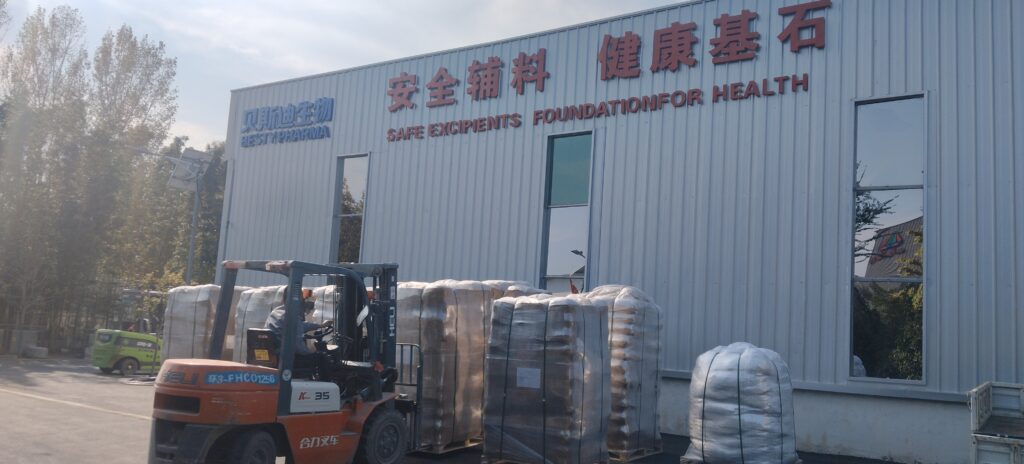
- Factory visit (virtual or onsite)
- Batch consistency
- Lead time commitment
- Export experience
- Responsiveness
** Reliable suppliers reduce long-term risks.
** Stable production lines support continuous orders.
6. What Are the Best Practices for Smooth and Low-Risk Importing?
Importing magnesium stearate becomes simple when you follow a clear process. Many buyers skip steps and face delays or unexpected costs. A proper importing system keeps your supply chain stable.
Use clear specifications, confirm packaging, and plan logistics early.
Best Practice Table
| Step | Action | Result |
|---|---|---|
| Confirm Specs | Purity, moisture, particle size | No rejections |
| Choose Packaging | 25kg bags / custom options | Safe transport |
| Plan Shipping | Sea, air, or courier | Predictable timeline |
| Set Contracts | Price + MOQ | Cost stability |
** Clear planning avoids shipment risks.
** Defined specifications ensure smooth production.
Conclusion
Importing magnesium stearate from China is simple when you follow a structured approach. You need to confirm quality standards, check certifications, choose the correct grade, and prepare complete documents for customs. When these steps are followed, the importing process stays stable and predictable. This guide helps you find reliable suppliers and avoid common sourcing problems.
Contents of Conclusion
- China offers stable supply and strong production capacity
- Quality standards ensure safe and effective product performance
- Documentation prevents customs delays
- Proper planning supports long-term cooperation
About Our Company
When your business needs a stable magnesium stearate supplier, you want a factory that supports high purity, consistent batch quality, and reliable export service. Your procurement team can depend on our production lines because we meet GMP and ISO standards and provide full documentation for global markA Guide to Importing Magnesium Stearate from Chinaets. Your orders ship with predictable timelines and flexible packaging options that match your manufacturing needs. Your brand grows faster when you partner with a manufacturer that understands quality and long-term cooperation.