Blood sugar management has become a major focus in modern nutrition. Consumers are actively seeking products that support steady energy, metabolic balance, and long-term health. For food and supplement brands, this shift creates both opportunity and formulation challenges. Achieving a low glycemic index (GI) without compromising taste, texture, or processing performance requires the right functional ingredient.
Resistant dextrin offers a practical solution. As a soluble dietary fiber with minimal impact on blood glucose, it enables manufacturers to develop low-GI products while maintaining excellent stability and sensory quality.
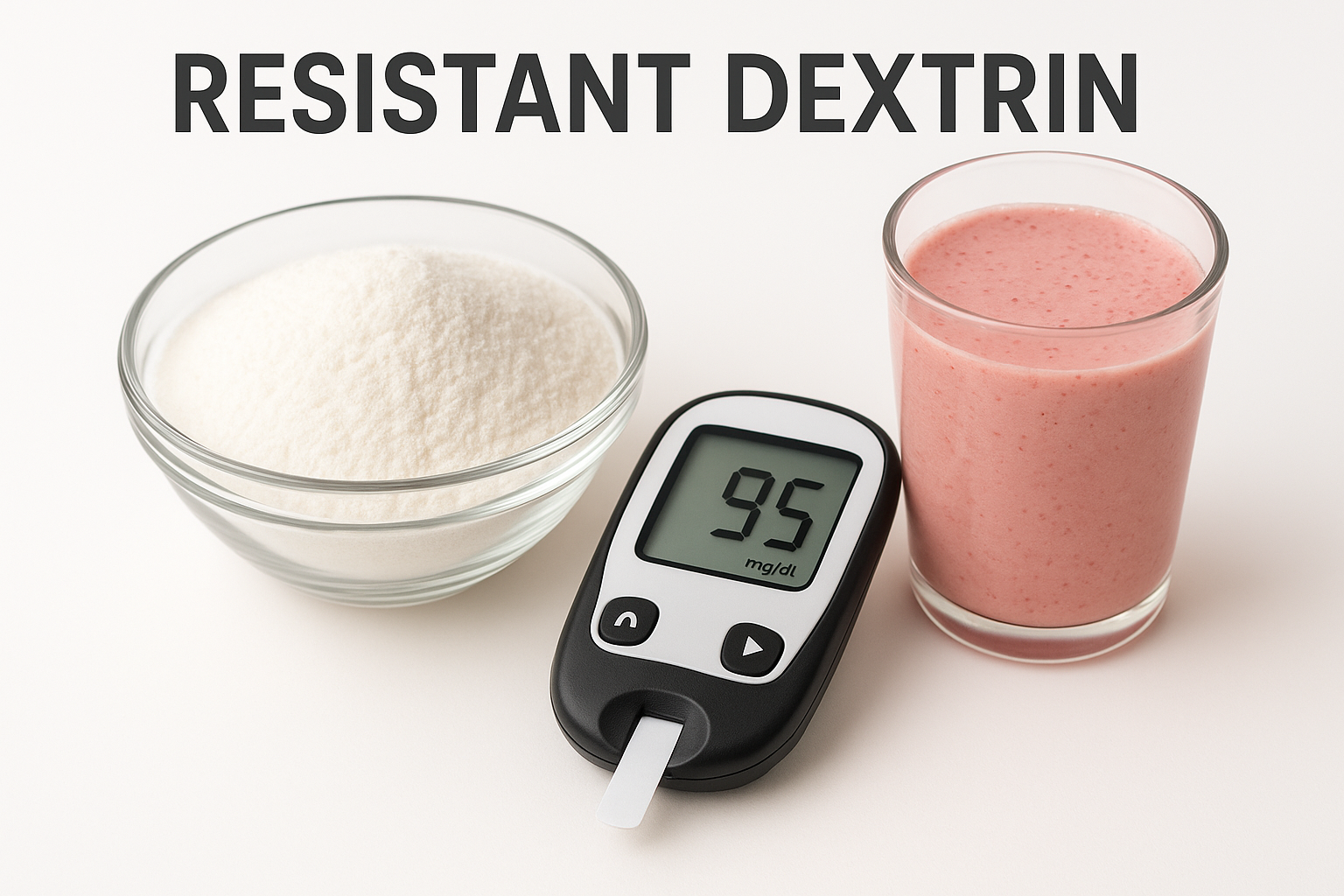
Resistant dextrin helps brands create blood sugar-friendly products by reducing glycemic response, increasing fiber content, and maintaining clean taste and high solubility.
From functional beverages to nutritional powders and meal replacements, low-GI positioning is becoming a key differentiator. Understanding how resistant dextrin works—and how to apply it correctly—can help product developers improve both nutritional value and market competitiveness.
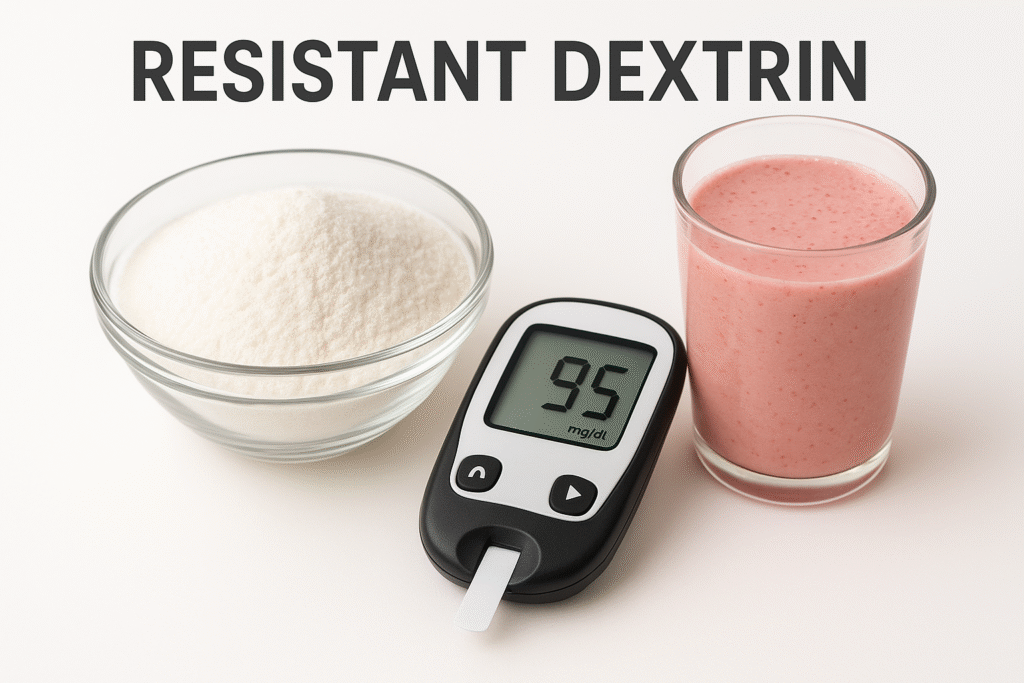
Resistant dextrin is a low-digestible soluble fiber that contributes minimal available carbohydrates and supports lower post-meal blood glucose response.
Why Is Low-GI Nutrition a Growing Market Trend?
Consumers are becoming more aware of the link between blood sugar control and long-term health. Products positioned for steady energy, weight management, and metabolic wellness are gaining strong market traction across multiple categories.
Low-GI products support stable energy release and are increasingly demanded in functional foods and supplements.
Rapidly digestible carbohydrates cause sharp spikes in blood glucose followed by energy crashes. Low-GI formulations slow carbohydrate digestion and absorption, resulting in a more gradual glucose release. This positioning appeals to consumers focused on:
- Weight management
- Sustained energy
- Diabetic-friendly nutrition
- Metabolic health support
Brands that successfully deliver low-GI solutions can differentiate in crowded functional nutrition markets.
* Low-GI products help reduce rapid post-meal blood sugar spikes.
* Consumer demand for blood sugar management products is growing globally.
What Makes Resistant Dextrin a Low-GI Ingredient?
Resistant dextrin is produced through controlled starch processing that alters its molecular structure, making it resistant to digestion in the small intestine.
Its low digestibility means it contributes minimal glucose release compared to standard carbohydrates.
Unlike conventional carbohydrates, resistant dextrin passes largely undigested into the large intestine, where it is partially fermented by gut microbiota. This results in:
- Reduced available energy contribution
- Minimal glycemic impact
- Added prebiotic benefits
Because it behaves as a soluble fiber rather than a rapidly digestible carbohydrate, it supports both low-GI positioning and fiber claims.
* Resistant dextrin contributes minimal available glucose during digestion.
* It can be used to increase total dietary fiber without affecting sweetness.
How Does Resistant Dextrin Work in Blood Sugar Management?
The functional value of resistant dextrin lies in its ability to modify the overall carbohydrate profile of a formulation.
Replacing part of digestible carbohydrates with resistant dextrin lowers the product’s glycemic load.
When resistant dextrin replaces sugars, maltodextrin, or other fast-digesting carbohydrates, the formulation delivers:
- Slower glucose absorption
- Reduced glycemic load
- Improved satiety effect
- Better metabolic positioning
This strategy is widely used in meal replacements, diabetic nutrition, and weight management products.
* Partial carbohydrate replacement with fiber lowers overall glycemic load.
* Soluble fibers can support satiety and metabolic control.
Which Applications Benefit Most from Resistant Dextrin?
Resistant dextrin’s high solubility and neutral taste make it suitable for a wide range of food and supplement formats.
It works especially well in liquid and powdered systems where clarity, stability, and smooth mouthfeel are required.
Common applications include:
- Functional beverages and fiber drinks
- Meal replacement powders
- Protein supplements
- Nutrition bars
- Dairy and plant-based alternatives
Because it dissolves completely without viscosity buildup, it allows high fiber levels without compromising drinkability or texture.
* Resistant dextrin dissolves easily in water with low viscosity.
* Its neutral flavor allows high inclusion levels without taste impact.
How Does Resistant Dextrin Perform in Processing and Formulation?
Beyond nutritional benefits, resistant dextrin offers strong processing stability, which is critical for industrial production.
It maintains functionality under heat, shear, and acidic conditions.
Key functional advantages include:
- Excellent heat stability for pasteurization and UHT
- Acid stability for beverages and sports drinks
- Low hygroscopicity for improved powder flow
- High process tolerance for spray drying and blending
These properties reduce production risks and improve batch consistency.
* Resistant dextrin remains stable across a wide pH and temperature range.
* Good powder flowability supports efficient large-scale manufacturing.
What Should Buyers Consider When Sourcing Resistant Dextrin?
Ingredient quality directly affects both product performance and regulatory compliance. B2B buyers should evaluate suppliers carefully.
Specifications, certifications, and technical support are key factors in supplier selection.
Important considerations include:
- Dietary fiber content and purity
- Solubility and viscosity profile
- Heavy metals and microbiological limits
- Certifications (GMP, ISO, HACCP)
- Application and formulation support
Working with a reliable manufacturer ensures stable supply, consistent quality, and smoother product registration.
* Consistent fiber content is critical for label accuracy and claims.
* Certified production systems reduce regulatory and quality risks.
Conclusion
Low-GI positioning is becoming a strategic requirement for modern functional foods and supplements. Resistant dextrin provides a practical way to reduce glycemic impact while increasing fiber content and maintaining excellent processing performance.
For B2B brands, it enables multiple advantages: improved nutritional positioning, broader application flexibility, and stronger market differentiation. Selecting a high-quality resistant dextrin supplier helps ensure formulation success, regulatory compliance, and long-term product competitiveness.