Carbohydrate ingredients play a critical role in product texture, stability, and energy delivery. Yet many buyers and product developers misunderstand maltodextrin, often viewing it only as a filler rather than a functional carbohydrate solution.
In reality, maltodextrin serves multiple technical purposes across food and supplement manufacturing. Selecting the right DE value, source material, and processing specification directly affects performance and labeling outcomes.
Understanding how maltodextrin works allows brands to optimize formulation efficiency, cost control, and product positioning.
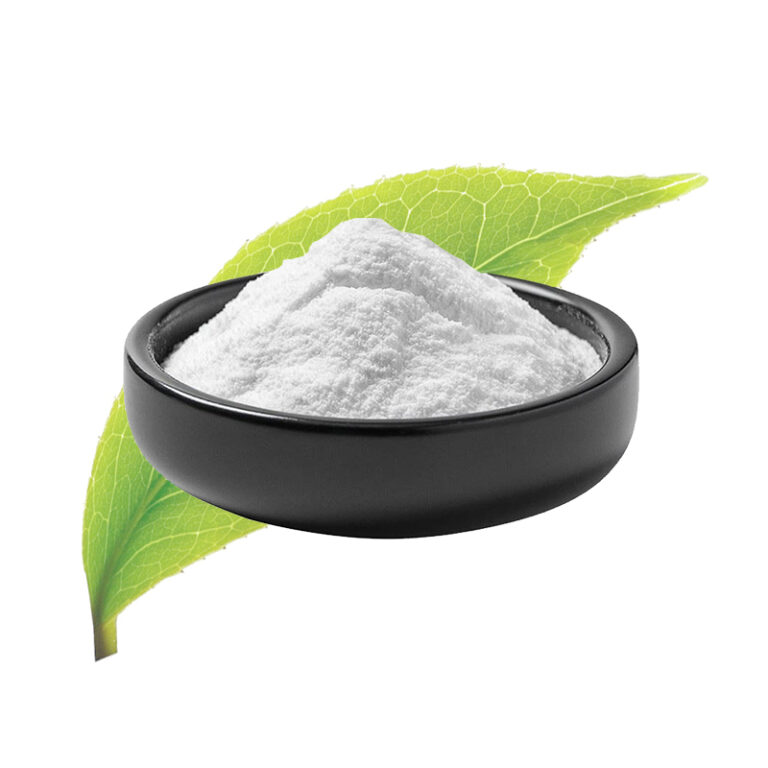
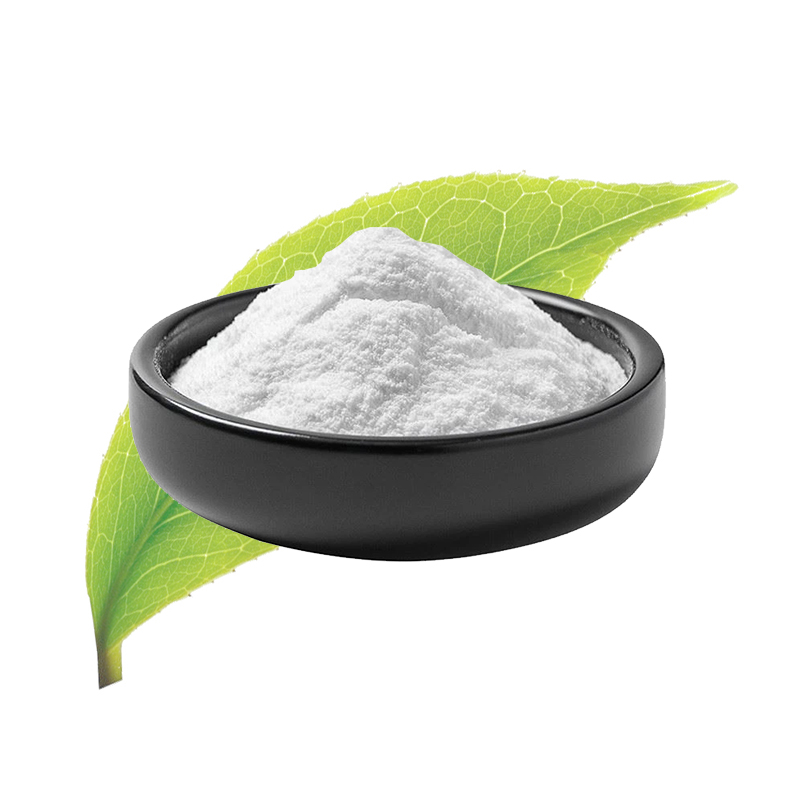
Maltodextrin is a partially hydrolyzed starch carbohydrate used in food and supplements as a bulking agent, carrier, stabilizer, and rapid energy source. It offers high solubility, neutral taste, and excellent processing stability. Its functional role depends on DE value and application requirements.
To evaluate whether maltodextrin fits a formulation strategy, buyers must understand its structure, functionality, digestion behavior, and application versatility.
What Is Maltodextrin?
Maltodextrin is a polysaccharide produced through partial hydrolysis of starch, typically derived from corn, tapioca, rice, or potato. It consists of short glucose chains and is classified based on its dextrose equivalent (DE) value, which reflects the degree of hydrolysis.
Lower DE maltodextrin provides more bulking and less sweetness, while higher DE values increase solubility and sweetness.
Maltodextrin is a partially hydrolyzed starch carbohydrate.
- Derived from natural starch sources
- DE value defines sweetness and functionality
- Highly soluble and neutral in taste
* DE level directly influences performance.
* Source material impacts labeling and allergen positioning.
How Is Maltodextrin Produced?
Maltodextrin is produced by enzymatically breaking down starch into shorter glucose chains under controlled processing conditions. After hydrolysis, the liquid is purified and spray-dried into a fine powder.
This controlled process ensures consistent molecular weight distribution, solubility, and functional performance.
Controlled hydrolysis defines maltodextrin properties.
- Enzymatic hydrolysis
- Filtration and purification
- Spray drying for powder form
* Processing precision ensures batch consistency.
* Molecular structure determines digestibility and solubility.
Key Functional Benefits in Food Applications
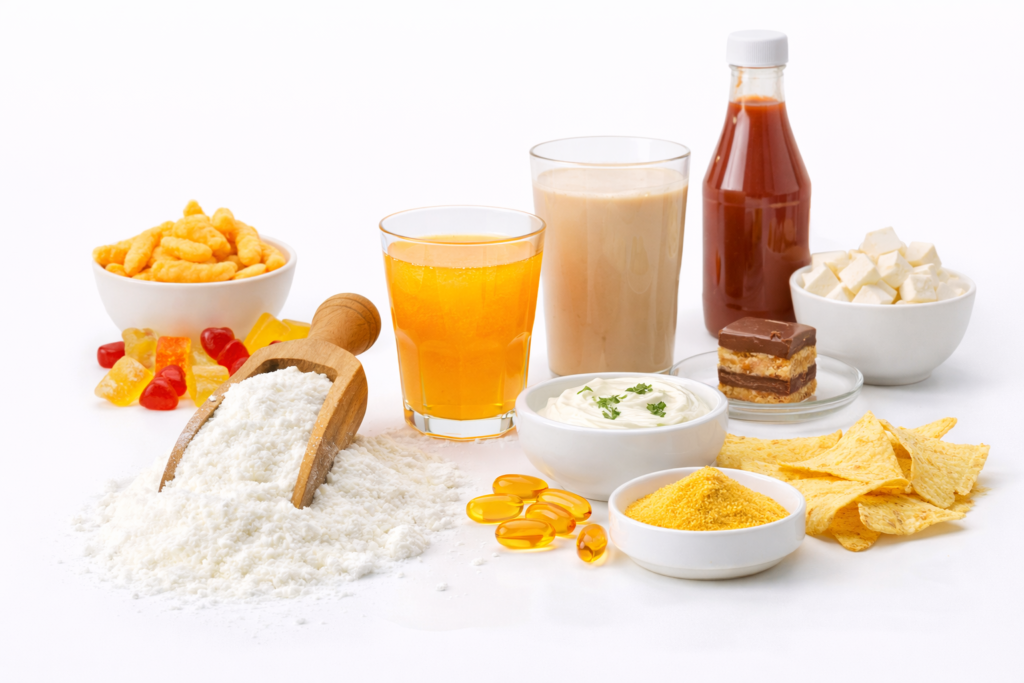
In modern food manufacturing, maltodextrin serves as a highly versatile functional ingredient with multiple technical roles across diverse product categories. As a bulking agent, it adds volume and body to formulations without significantly increasing sweetness, allowing manufacturers to maintain target texture and structure while controlling flavor intensity. This is especially valuable in reduced-sugar and reformulated products where ingredient balance is critical. As a carrier, maltodextrin is widely used in spray-dried flavors, sweeteners, vitamins, plant extracts, and active ingredients. It helps encapsulate sensitive compounds, improves dispersion, and ensures uniform distribution throughout the final product.
In addition, maltodextrin functions as a stabilizer and texture enhancer. In low-fat or fat-reduced formulations, it compensates for the loss of creaminess and viscosity typically provided by lipids. It enhances mouthfeel by creating a smooth, slightly viscous texture that mimics the sensory experience of full-fat products. In powdered applications, such as beverage premixes, protein powders, seasoning blends, and meal replacements, maltodextrin improves flowability, reduces clumping, and supports consistent dosing during filling and packaging. This directly improves production efficiency and product uniformity.
Because of its neutral taste and minimal aroma, maltodextrin integrates seamlessly into a wide range of food matrices without interfering with the intended flavor profile. It does not contribute noticeable sweetness or aftertaste, making it ideal for both savory and sweet applications. Manufacturers commonly incorporate it into sauces, ready-to-drink beverages, dairy alternatives, snacks, confectionery, and nutritional supplements. Its compatibility with various ingredients ensures formulation flexibility while maintaining clean, consistent sensory performance.
For brands focused on scalable production, texture optimization, and stable shelf performance, maltodextrin remains a reliable functional solution across mainstream and specialized product lines.
Maltodextrin enhances texture and stability.
- Improves body and mouthfeel
- Reduces stickiness in powders
- Supports spray-dried flavors
* Enhances texture without adding sweetness.
* Improves production efficiency in dry blends.
Applications in Supplements and Sports Nutrition
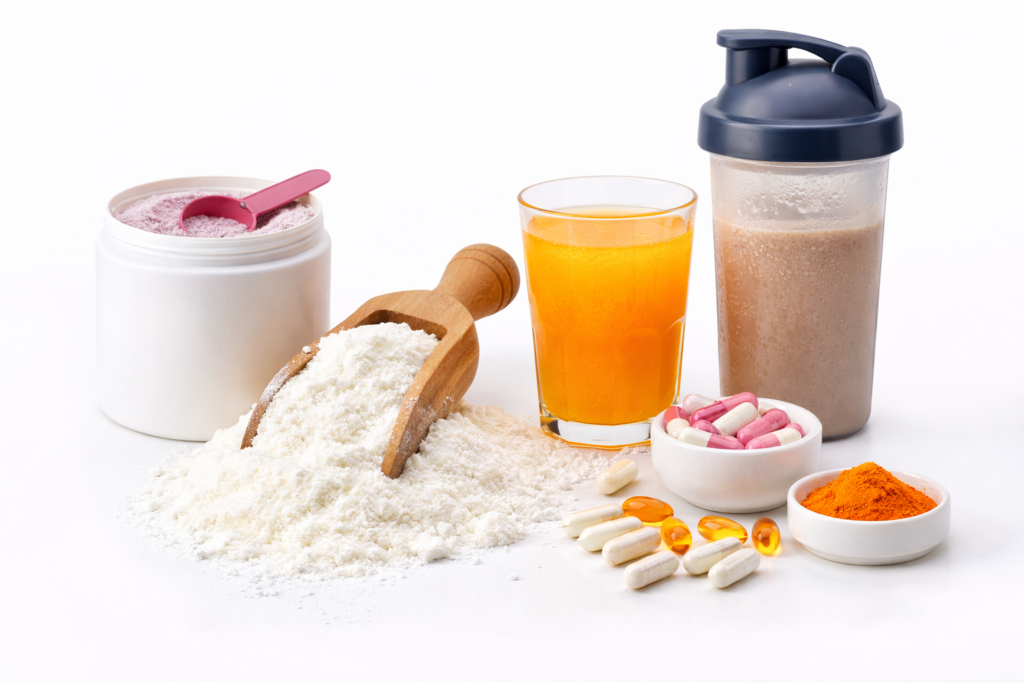
In dietary supplement manufacturing, maltodextrin plays a critical functional role as a carrier and delivery matrix for active ingredients. In powdered drink mixes, botanical extracts, vitamin premixes, amino acids, probiotics, and mineral blends, many actives are highly concentrated, hygroscopic, or difficult to disperse evenly. Maltodextrin provides a neutral, low-hygroscopic base that improves bulk density and flow properties, allowing precise blending and uniform distribution throughout the formulation. This is particularly important in high-speed production environments where consistent mixing directly affects batch uniformity and regulatory compliance.
In spray-dried or encapsulated ingredients, maltodextrin is frequently used as a wall material to support microencapsulation. It helps protect sensitive actives from moisture, oxidation, and light exposure, thereby improving shelf stability and extending product lifespan. In sachets, stick packs, capsules, and tablets, its excellent compressibility and flow characteristics support accurate filling and weight control. The result is consistent dosing per serving, reduced segregation during transport, and improved manufacturing efficiency. For B2B buyers, this translates into better quality control, lower production risk, and smoother regulatory documentation.
In the field of sports nutrition, maltodextrin is valued primarily for its rapid digestibility and fast glucose availability. As a glucose polymer derived from starch, it is quickly hydrolyzed in the digestive system and absorbed into the bloodstream, providing an immediate source of carbohydrates. This makes it particularly suitable for pre-workout, intra-workout, and post-workout formulations where timely energy delivery is essential. Compared with simple sugars, maltodextrin provides efficient carbohydrate loading without excessive sweetness, allowing higher carbohydrate concentrations without negatively affecting taste profile.
During prolonged or high-intensity exercise, muscle glycogen stores are rapidly depleted. Maltodextrin helps replenish glucose levels quickly, supporting sustained performance and reducing fatigue. In post-exercise recovery products, it accelerates glycogen restoration, especially when combined with protein or branched-chain amino acids. Its high solubility ensures smooth dissolution in water, making it ideal for ready-to-mix powders and sports beverages. For brands targeting active consumers, maltodextrin offers a reliable, cost-effective carbohydrate solution that balances performance, palatability, and formulation flexibility.
Maltodextrin supports energy and ingredient delivery.
- Carrier for vitamins and botanicals
- Rapid carbohydrate source
- Improves blend uniformity
* Supports fast energy release.
* Ensures homogenous ingredient distribution.
Glycemic Impact and Nutritional Considerations
Maltodextrin is rapidly digested and absorbed as glucose, resulting in a relatively high glycemic response. For this reason, it is commonly used in sports and recovery products but less suitable for low-GI formulations.
Its nutritional role depends on product positioning. In performance-focused products, fast absorption is beneficial. In metabolic or fiber-focused products, alternative carbohydrates may be preferred.
Maltodextrin provides rapid glucose release.
- Fast enzymatic breakdown
- High glycemic index
- Suitable for energy-focused products
* Rapid absorption supports athletic performance.
* Not ideal for low-GI positioning.
What Should Buyers Consider When Sourcing?
Not all maltodextrin grades are identical. Buyers should evaluate DE range, source material (corn, tapioca, rice), GMO status, allergen profile, and documentation compliance.
Consistent particle size, moisture content, and microbiological standards are essential for stable manufacturing performance.
Specification clarity ensures consistent functionality.
| Buyer Factor | Importance |
|---|---|
| DE value | Critical |
| Raw material source | High |
| GMP compliance | Essential |
| Moisture control | High |
* DE accuracy defines formulation outcome.
* Reliable suppliers reduce production variability.
Conclusion
Maltodextrin is far more than a simple filler. It is a multifunctional carbohydrate ingredient that supports texture development, powder stability, ingredient delivery, and rapid energy release. Its performance depends on DE value, source material, and intended application.
For food and supplement manufacturers, selecting the appropriate maltodextrin grade ensures alignment with processing requirements, nutritional positioning, and regulatory strategy. Proper sourcing allows brands to maximize formulation efficiency while maintaining product quality and consistency.
For brands sourcing food-grade or supplement-grade maltodextrin, partnering with a high quality manufacturer ensures stable DE control, full traceability, and export-ready documentation. Reliable supply chains and technical support enable faster product development and reduced regulatory risk.