Top Microcrystalline Cellulose (MCC) Supplier

We are a professional manufacturer of pharmaceutical excipients, committed to providing customers with excellent products and quality service, for customers to create value.

Specialized in Manufacturing Microcrystalline Cellulose Powder

With a prominent reputation in manufacture and supply of Microcrystalline Cellulose alongside a variety of other ingredients, Besty Pharma prioritizes regulatory compliance, quality assurance, and a customer-centric service approach.

Advanced Technology

Our factory uses cutting-edge technology for efficient and high-quality production.

Quality Assurance

Each batch undergoes strict testing to meet international standards for reliability.

Flexible Packaging

We offer customizable packaging solutions to ensure product integrity.

Sustainable Sourcing

We source raw materials from responsibly managed forests, ensuring eco-friendliness.

Microcrystalline Cellulose Powder

What is Microcrystalline Cellulose?

Microcrystalline Cellulose (MCC) is a purified, partially depolymerized cellulose derived from natural plant fiber, It is typically presented as a fine, white or nearly white, odorless, and tasteless powder. Microcrystalline Cellulose (MCC) widely used as an excipient in pharmaceuticals, nutraceuticals, and food applications. Recognized for its exceptional binding, compressibility, and stability, MCC plays a vital role in ensuring consistent product quality across tablets, capsules, and functional foods.

We Offer Micro Crystalline Cellulose in Various Grades

We supply MCC in multiple grades to meet diverse formulation needs:

Microcrystalline Cellulose (MCC) 101

Microcrystalline Cellulose (MCC) 101

  • Particle Size: Fine, small particle size
  • Flowability: Moderate; requires careful handling in high-speed compression
  • Compressibility: Excellent, making it a preferred choice for direct compression formulations
  • Applications:
    *Low-dose tablets where precise blending is critical
    *Chewable tablets and sublingual forms requiring smooth mouthfeel
    *Formulations demanding high binding capacity with minimal excipient use
  • Advantages: Provides strong tablet hardness and low friability even at low compression forces.
Microcrystalline Cellulose (MCC) 102

Microcrystalline Cellulose (MCC) 102

  • Particle Size: Larger than MCC 101
  • Flowability: Superior flow characteristics, particularly suitable for automated high-speed tablet presses
  • Compressibility: Slightly lower than MCC 101 but optimized for consistent large-scale production
  • Applications:
    * High-speed direct compression tablets
    * Capsules requiring uniform filling
    * Multi-particulate formulations where free-flowing properties are essential
  • Advantages: Ensures uniform die filling, reduces weight variation, and improves overall manufacturing efficiency.
Microcrystalline Cellulose (MCC) 301

Microcrystalline Cellulose (MCC) 301

  • Particle Size: Very coarse, larger particle size compared to MCC 101 and 102
  • Flowability: Excellent flow characteristics, ideal for high-speed tablet production
  • Compressibility: Good, though slightly lower than finer grades due to larger particles
  • Applications:
    * High-speed, large-scale tablet compression lines
    * Formulations requiring superior flowability and uniform die filling
    * Direct compression blends where flow is a critical factor
  • Advantages: Reduces production issues such as sticking and weight variation, ensuring consistent performance in automated manufacturing.
Microcrystalline Cellulose (MCC) 200

Microcrystalline Cellulose (MCC) 200

  • Particle Size: Intermediate between MCC 101 and 301; medium particle size
  • Flowability: Balanced flow, better than MCC 101 but less than MCC 301
  • Compressibility: Very good, offering a balance of binding strength and flowability
  • Applications:
    * Tablets requiring both strong hardness and smooth flow during compression
    * Multi-component formulations where excipient versatility is critical
    * General-purpose use in dietary supplements and pharmaceuticals
  • Advantages: Offers the best balance between flow and compressibility, making it highly versatile across a wide range of formulations.

Microcrystalline Cellulose Key Features & Benefits

Superior Binding & Tablet Performance

Acts as a binder and bulking agent, ensuring tablets are strong, uniform, and easy to compress. Supports disintegration and dissolution, enhancing bioavailability and dosage reliability.

Excellent Flowability & Processing Efficiency

Provides smooth powder flow, minimizing clumping and processing issues. Functions as an anti-caking agent and flow enhancer, ideal for high-speed manufacturing lines.

Additive & Filler Support

Widely used across pharmaceuticals, dietary supplements, functional foods, beverages, and cosmetics. Works as a filler, thickener, or stabilizer to improve texture, consistency, and product stability.

Safe, Natural & Inert

Non-toxic, non-reactive, and biodegradable, derived from purified cellulose. Suitable for clean-label formulations and safe for diverse industries.

Stable & Reliable Performance

Chemically stable with resistance to heat and moisture. Maintains formulation integrity and ensures consistent quality in finished products.

Microcrystalline Cellulose Benefits

Applications of Microcrystalline Cellulose

Microcrystalline Cellulose (MCC) is a multifunctional excipient and ingredient trusted across a wide range of industries. Known for its versatility, safety, and performance, MCC delivers consistent quality in pharmaceuticals, supplements, food, cosmetics, and even industrial applications. Its unique properties make it indispensable for manufacturers seeking efficiency, stability, and consumer satisfaction.

Paper Industry

In papermaking and paper processing applications, Microcrystalline Cellulose (MCC) is used as a functional filler to enhance both the physical properties and visual quality of finished paper products. It improves sheet structure, surface smoothness, and bulk while contributing to increased opacity and brightness. MCC also supports better fiber bonding and uniform dispersion within the paper matrix, resulting in improved printability, dimensional stability, and overall product consistency. Its natural origin and compatibility with existing papermaking processes make MCC an effective solution for manufacturers seeking higher-quality paper with optimized performance characteristics.

Cosmetics & Personal Care

In personal care and cosmetic products, Microcrystalline Cellulose (MCC) functions as an effective stabilizer and thickening agent that improves product structure, rheology, and application performance. It enhances the texture, viscosity, and spreadability of creams, lotions, gels, and powder-based products, delivering a smooth and consistent sensory feel. Due to its chemically inert and non-reactive nature, MCC maintains excellent compatibility with a wide range of cosmetic actives, emulsifiers, fragrances, and pigments. Its safety profile and formulation stability make it a reliable excipient for personal care products requiring consistent performance, long shelf life, and regulatory compliance across global markets.

Foods & Beverages

In food formulations, Microcrystalline Cellulose (MCC) serves as a multifunctional stabilizer, texturizer, and anti-caking agent that enhances product structure and processing stability. It helps maintain uniform consistency in low-calorie and gluten-free foods by improving viscosity control, moisture retention, and dispersion, without introducing unwanted flavors or color changes. In selected applications, MCC functions as an effective fat replacer by providing body, mouthfeel, and creaminess while significantly reducing caloric content. Additionally, its insoluble dietary fiber content supports fiber fortification strategies, enabling manufacturers to increase fiber levels and improve nutritional profiles while preserving taste, appearance, and overall sensory quality.

Pharmaceuticals

Microcrystalline Cellulose (MCC) is one of the most extensively utilized excipients in solid oral dosage formulations due to its multifunctional performance and formulation reliability. In tablet manufacturing, MCC acts as an efficient binder and disintegrant, providing excellent compressibility that supports optimal tablet hardness while promoting rapid and consistent disintegration for reliable dissolution profiles. In capsule applications, MCC serves as a high-purity filler and bulking agent, ensuring uniform fill weight, enhanced content uniformity, and improved physical stability. Its inert nature and predictable performance make MCC a critical excipient for achieving dosage accuracy, batch-to-batch consistency, and robust manufacturing efficiency.

Dietary Supplements

In dietary supplement formulations, Microcrystalline Cellulose (MCC) functions as a versatile filler, binder, and bulking agent that contributes to both structural integrity and manufacturing efficiency. In chewable tablets, MCC helps maintain tablet shape, hardness, and mechanical strength while supporting a smooth mouthfeel and controlled disintegration. Within powder blends, MCC acts as a functional excipient that improves blend uniformity and flow properties, reducing segregation and ensuring consistent dosage distribution. As a non-digestible, non-caloric material, MCC also provides bulk without contributing energy, making it particularly well suited for fiber supplements, appetite management products, and weight control formulations where volume, stability, and label-friendly composition are critical.
Microcrystalline Cellulose (MCC

Certifications & Quality Assurance

Besty Pharma manufactures MCC under strict GMP guidelines, supported by advanced testing systems to ensure consistency and safety. Our products are certified with:
  • ISO9001

  • HALAL

  • KOSHER

  • Non-GMO

Packaging & Logistics

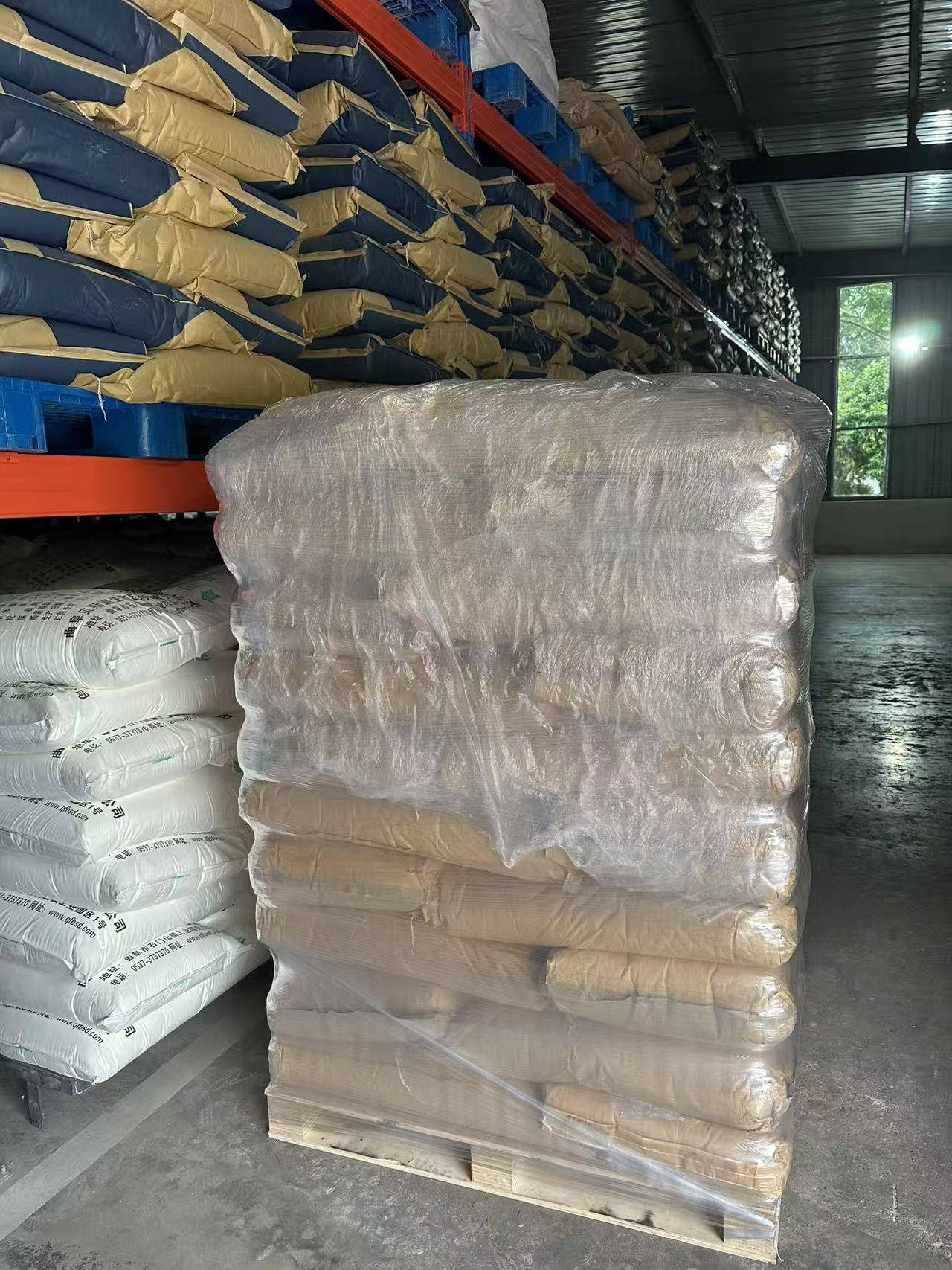
  • Standard packaging: 20kg bags. We use food-grade, moisture-proof packaging. Bulk orders come in strong, sealed bags or drums.

  • Shelf life: 24 months under recommended storage conditions.

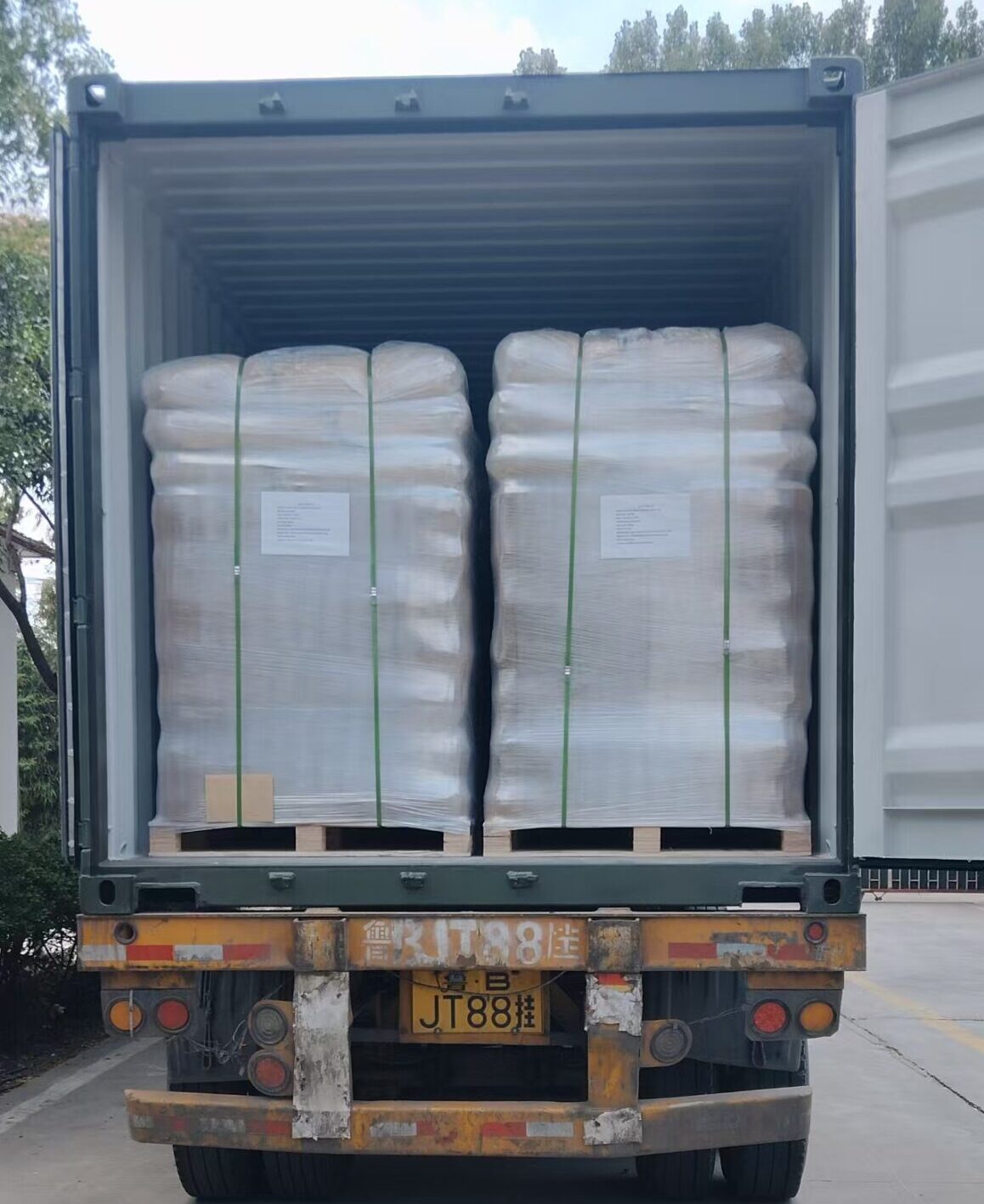
  • Global logistics: Reliable export service to Southeast Asia, North America, and Europe with flexible shipping arrangements.

Why Choose Besty Pharma for MCC?

With decades of expertise in excipient manufacturing, Besty Pharma delivers high-quality MCC backed by advanced R&D and global certifications. We combine:

Unmatched Quality Control

Every batch rigorously tested for compliance.

Technical Support & Customization

Tailored solutions for your formulations.

Competitive Pricing & Reliable Supply

Ensuring you stay ahead in the market.

FAQs About Microcrystalline Cellulose (MCC)

MCC primarily acts as a binder and filler, improving tablet hardness, uniformity, and stability while supporting efficient disintegration.
  • MCC 101 is suitable for smaller tablets requiring high binding strength.
  • MCC 102 offers excellent flowability, making it ideal for larger tablets and high-speed production.
    We can also provide customized grades based on your requirements.
Yes. Our MCC is non-toxic, non-allergenic, HALAL, KOSHER, and Non-GMO certified, making it safe and suitable for pharmaceuticals, supplements, and food-grade use.
Standard packaging is 20-25kg multi-layer bags, but custom packaging can be arranged according to client needs.
Absolutely. Our R&D and technical teams work closely with clients to optimize formulations, troubleshoot production challenges, and recommend the best MCC grade for your specific needs.
With efficient logistics and long-term partnerships, we ensure on-time delivery to major markets in North America, Europe and Southeast Asia. Shipping timelines depend on order size and destination, but we provide flexible solutions for urgent requirements.
Yes. As a one-stop supplier of excipients and functional ingredients, we can combine MCC with other products such as magnesium stearate, resistant dextrin, or coating agents in a single shipment to help you save on logistics costs.

Contact Us Today to Get a Quote!

Contact Us Today!