
Many people want more fiber in their diet. Many people also look for safe ingredients. Resistant dextrin often appears in foods and supplements. However, some people feel unsure. They ask if it has side effects. They wonder if it is safe for daily use.
This concern is common. Some fibers can cause bloating or discomfort. Some ingredients may not work well for everyone. If a person does not understand the effects, they may avoid the product. This can limit better nutrition choices.
Resistant dextrin offers a clear answer. It is widely used and studied. It is known for good tolerance and safety. This article explains its side effects, safety level, and how to use it in a proper way.
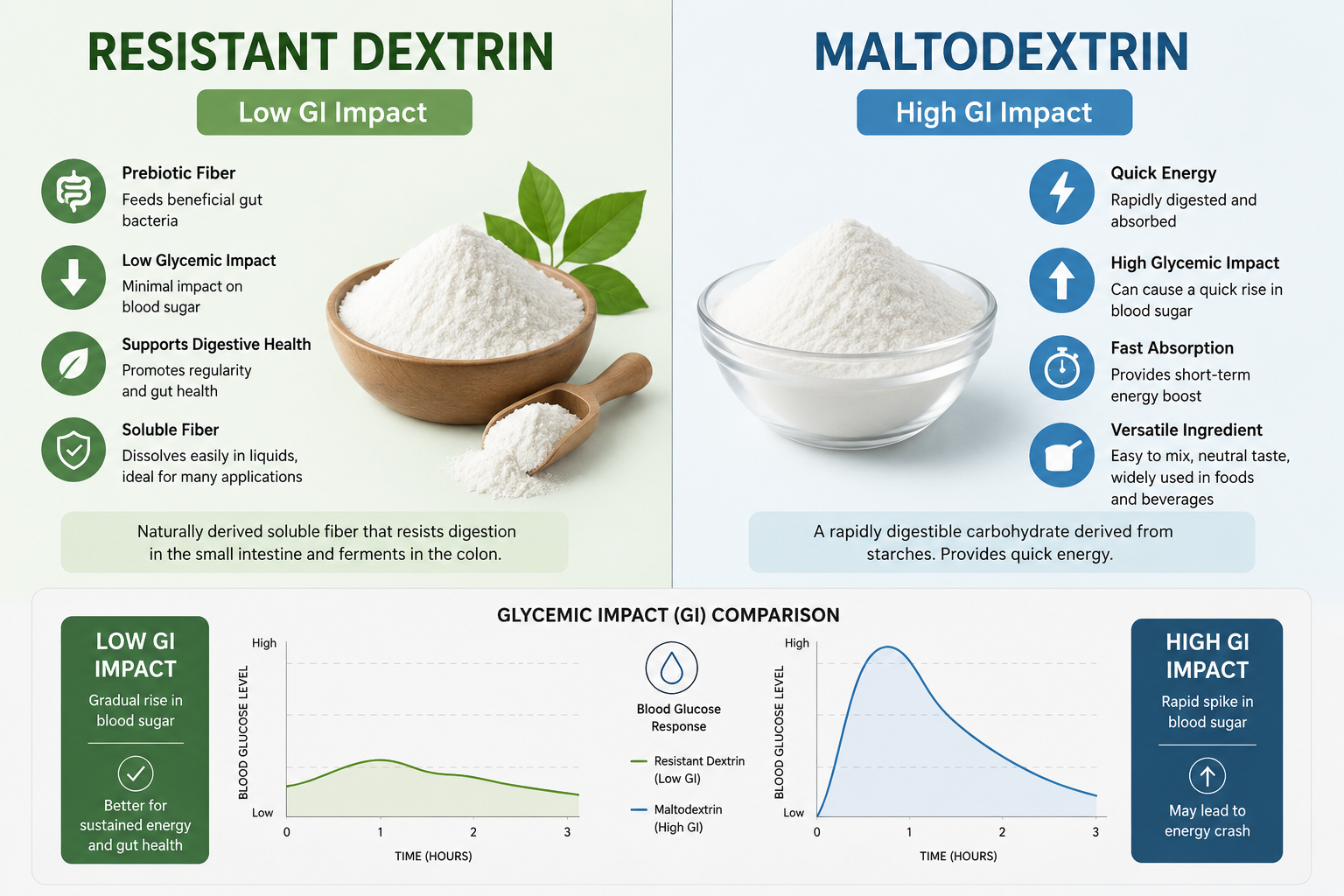
Resistant dextrin is generally considered safe for most people when consumed in normal amounts. It is a soluble dietary fiber that resists digestion in the small intestine and is fermented in the large intestine. Because of this, it may cause mild digestive side effects in some individuals, especially when taken in high doses. These side effects can include bloating, gas, or slight abdominal discomfort.
However, these effects are usually temporary and depend on the intake level and individual sensitivity. Most people tolerate resistant dextrin well, especially when they start with a small amount and increase gradually. It is widely used in food and supplements and is recognized as safe by regulatory authorities in many countries.
You now know that resistant dextrin is safe for most people. However, safety depends on many factors. The amount, the body condition, and the way of use all matter. Some people may still experience mild effects. Some may benefit more than others. These details are important before daily use. The next sections explain each key point step by step.
You now know that resistant dextrin is safe for most people. However, safety depends on many factors. The amount, the body condition, and the way of use all matter. Some people may still experience mild effects. Some may benefit more than others. These details are important before daily use. The next sections explain each key point step by step.
Resistant dextrin side effects: What should you expect?
Resistant dextrin is a type of soluble fiber. The body does not digest it in the small intestine. It moves to the large intestine. There, bacteria ferment it. This process produces gas and short-chain fatty acids.
This fermentation is normal. It supports gut health. However, it can also lead to mild side effects. Some people may feel bloating. Some may notice gas. A few may feel slight discomfort in the abdomen.
These effects depend on the amount. A small intake often causes no issue. A large intake at once may increase the chance of discomfort. The body usually adapts over time. Regular users often report fewer symptoms after a period of use.
Resistant dextrin may cause mild bloating or gas due to fermentation in the large intestine.
Common Side Effects
| Effect | Cause |
|---|---|
| Bloating | Gas production |
| Gas | Bacterial fermentation |
| Mild discomfort | Increased fiber intake |
Key Factors
- Intake amount
- Gut sensitivity
- Adaptation time
*Effects are usually mild
*Effects reduce over time
Is resistant dextrin safe for daily use?
Many people use resistant dextrin every day. It appears in fiber drinks and supplements. Safety is a key concern for daily intake.
Studies show that resistant dextrin is well tolerated. It is classified as a dietary fiber. Many food authorities approve its use. It does not show harmful effects when used within recommended levels.
Daily use can support digestion. It can also help maintain regular bowel movement. However, users should follow proper intake levels. Excess intake may still cause discomfort.
Resistant dextrin is safe for daily use when consumed in recommended amounts.
Safety Overview
| Aspect | Result |
|---|---|
| Toxicity | None at normal intake |
| Tolerance | High |
| Approval | Widely accepted |
*Safe for regular intake
*Supported by research
Why can resistant dextrin cause digestive discomfort?
Digestive discomfort comes from fermentation. Resistant dextrin reaches the colon. Bacteria break it down. This process produces gas.
Digestive discomfort occurs because resistant dextrin is fermented by gut bacteria.
Mechanism
| Step | Result |
|---|---|
| Fiber reaches colon | No digestion |
| Bacteria ferment | Gas forms |
| Gas builds | Discomfort |
*Natural fermentation process
*Linked to gut activity
Who should be careful when using resistant dextrin?
Most people can use resistant dextrin safely. However, some groups should be careful. People with sensitive digestion may react more.
People with sensitive digestion should start with low doses of resistant dextrin.
Risk Groups
| Group | Reason |
|---|---|
| Sensitive gut | Higher reaction |
| High fiber intake | Overload |
| New users | No adaptation |
*Start with low intake
*Monitor body response
How much resistant dextrin is safe to consume?
Dosage is important for safety. Most products suggest a daily range. Users should follow label instructions.
A moderate daily intake of resistant dextrin is safe for most people.
Intake Guide
| Level | Effect |
|---|---|
| Low | No side effects |
| Medium | Good tolerance |
| High | Possible discomfort |
*Follow recommended dose
*Avoid sudden high intake
How to reduce side effects and improve tolerance?
Users can reduce side effects with simple steps. The key is gradual intake and consistency.
Start with small amounts and increase slowly to reduce side effects of resistant dextrin.
Best Practices
| Method | Benefit |
|---|---|
| Start low | Reduce discomfort |
| Increase slowly | Improve tolerance |
| Drink water | Support digestion |
*Simple steps improve comfort
*Adaptation reduces symptoms
Conclusion
Resistant dextrin is a safe and useful dietary fiber for most people. It supports digestion and helps maintain gut health. It also has a low risk of serious side effects. Some users may experience mild bloating or gas, especially at the beginning or with high intake.
These effects are normal and often temporary. The body adapts over time. Proper dosage and gradual use can reduce discomfort and improve tolerance.
Overall, resistant dextrin is a reliable ingredient for daily nutrition. It fits well in modern diets and functional products.